Droppings
Rice-grain size (3–8 mm) points to mice; capsule-shaped 10–14 mm to rats; pepper-like specks in kitchens to cockroaches.
Mon–Fri 8am–6pm · Sat 9am–4pm41 Mercers Row, St Albans
The field guide · 12 species
To identify a pest, start with what it leaves behind. Droppings, bite patterns, noises, damage and the time of day you notice it narrow most UK household pests down to one or two species. Match your signs below, open the species page to check sizes and look-alikes, or send us a photo and we'll identify it for free.
Start with the evidence
Rice-grain size (3–8 mm) points to mice; capsule-shaped 10–14 mm to rats; pepper-like specks in kitchens to cockroaches.
Light scratching at night: mice. Heavier scrabbling: rats. Running at dawn and dusk: squirrels. Thumping on summer nights in the Chilterns: glis glis.
Lines or clusters on exposed skin after sleeping suggest bed bugs; small bites around ankles, especially with pets, suggest fleas.
Irregular holes in wool and silk, often in dark wardrobes, come from clothes moth larvae or the 'woolly bear' larvae of carpet beetles.
A steady stream of yellow-and-black insects into a soffit, air brick or bush in summer is a wasp nest. Bees should go to a beekeeper, not be destroyed.
Black ants marching to food along skirting boards come from a garden nest; fast-running insects that scatter when you switch the light on are likely cockroaches.
Droppings on sills, ledges and solar panels, and nesting under panels or in gutters, usually means feral pigeons.
Can't match it?
Send us a photo and we'll identify it free →
The library
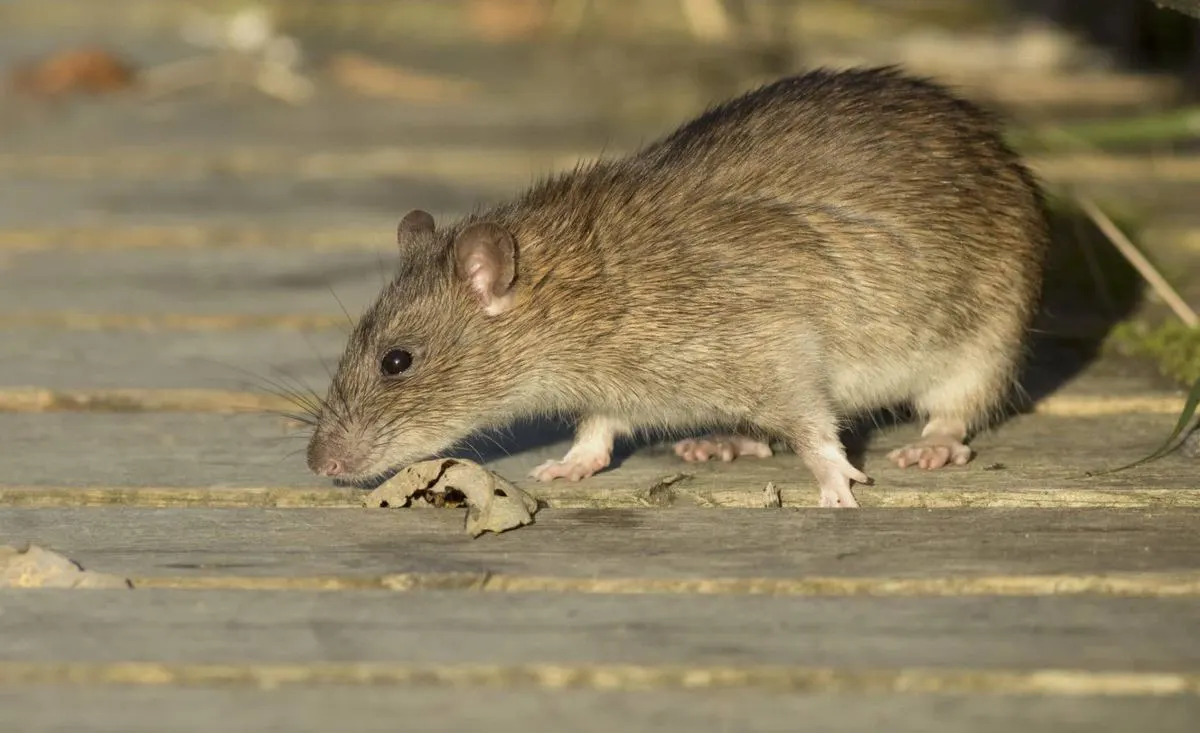
Rattus norvegicus
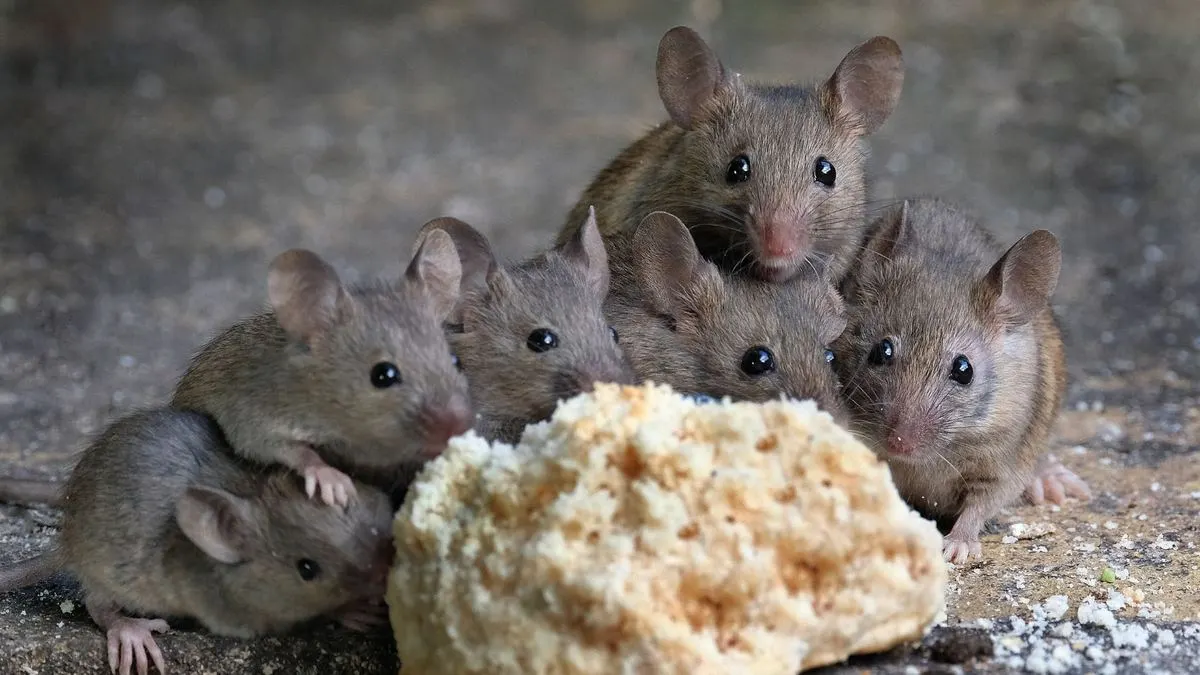
Mus musculus
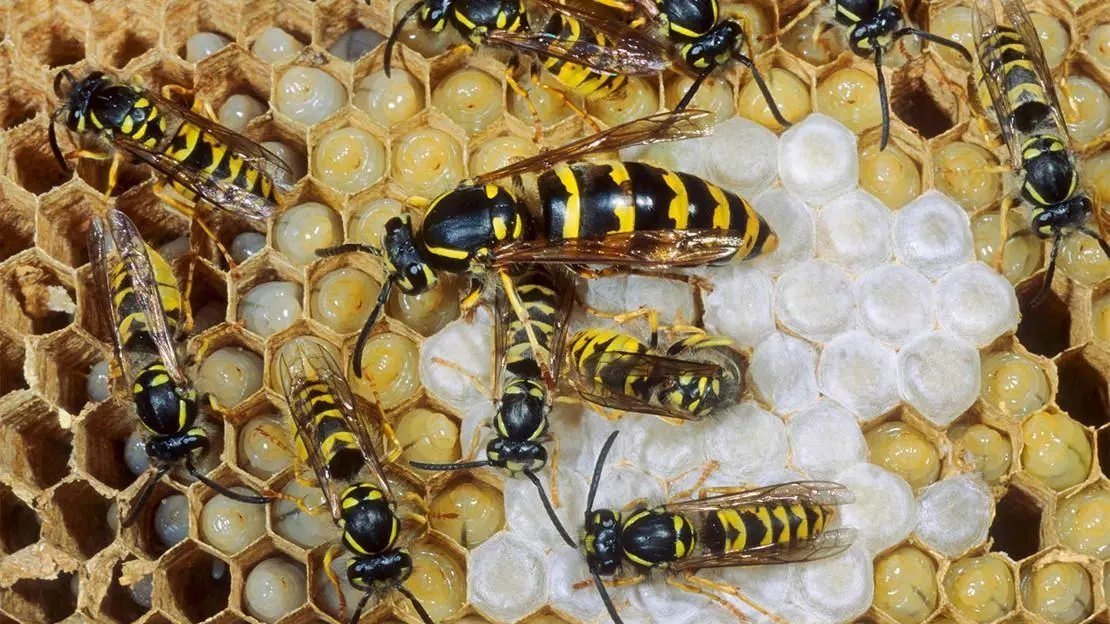
Vespula vulgaris
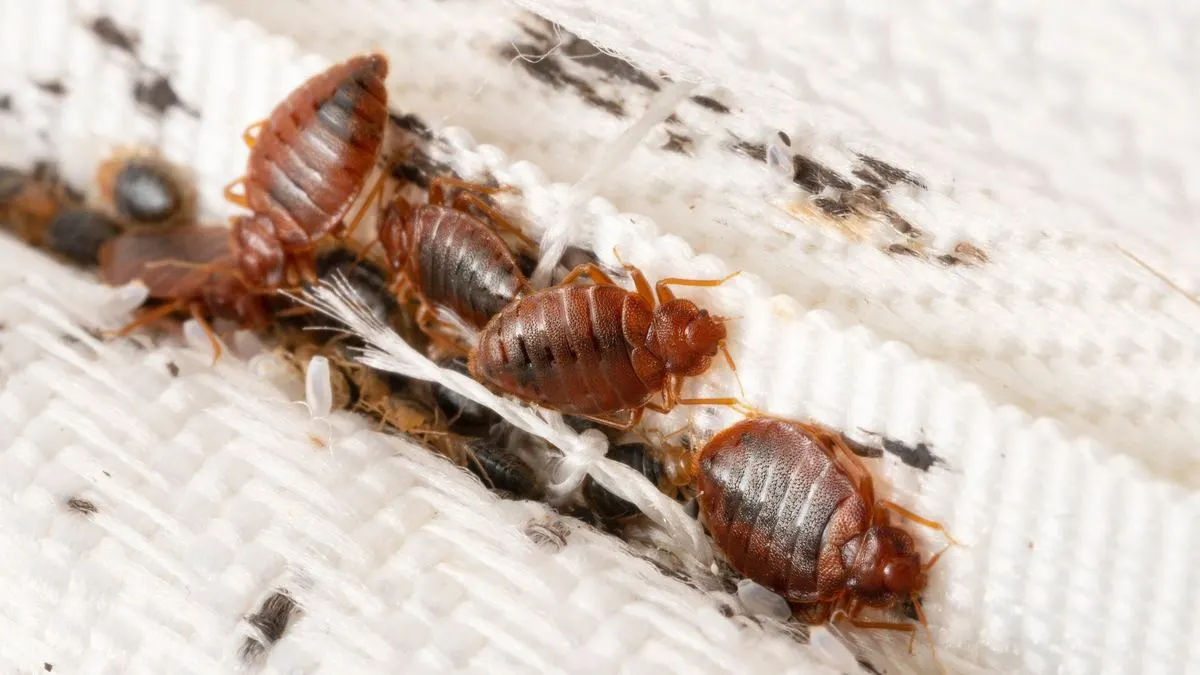
Cimex lectularius
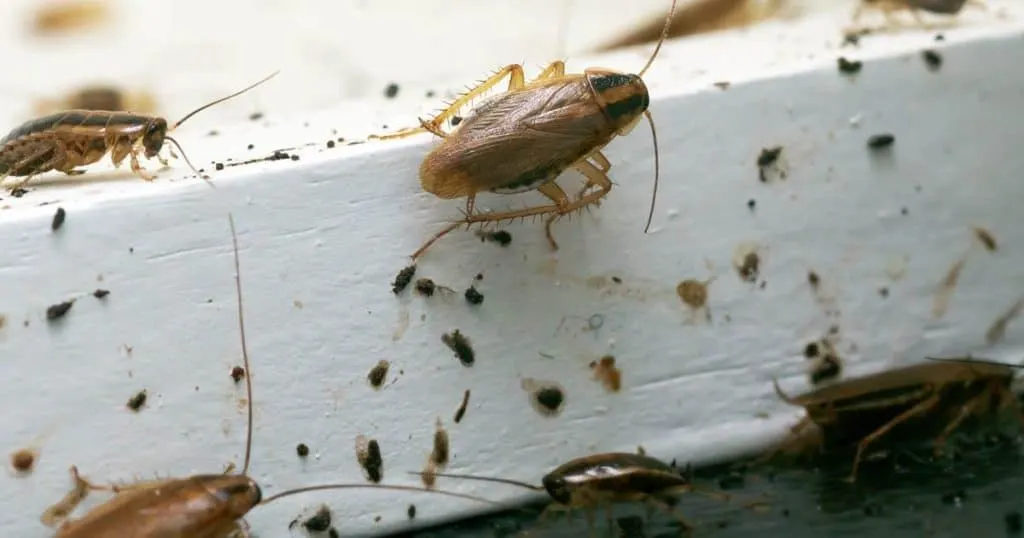
Blattella germanica
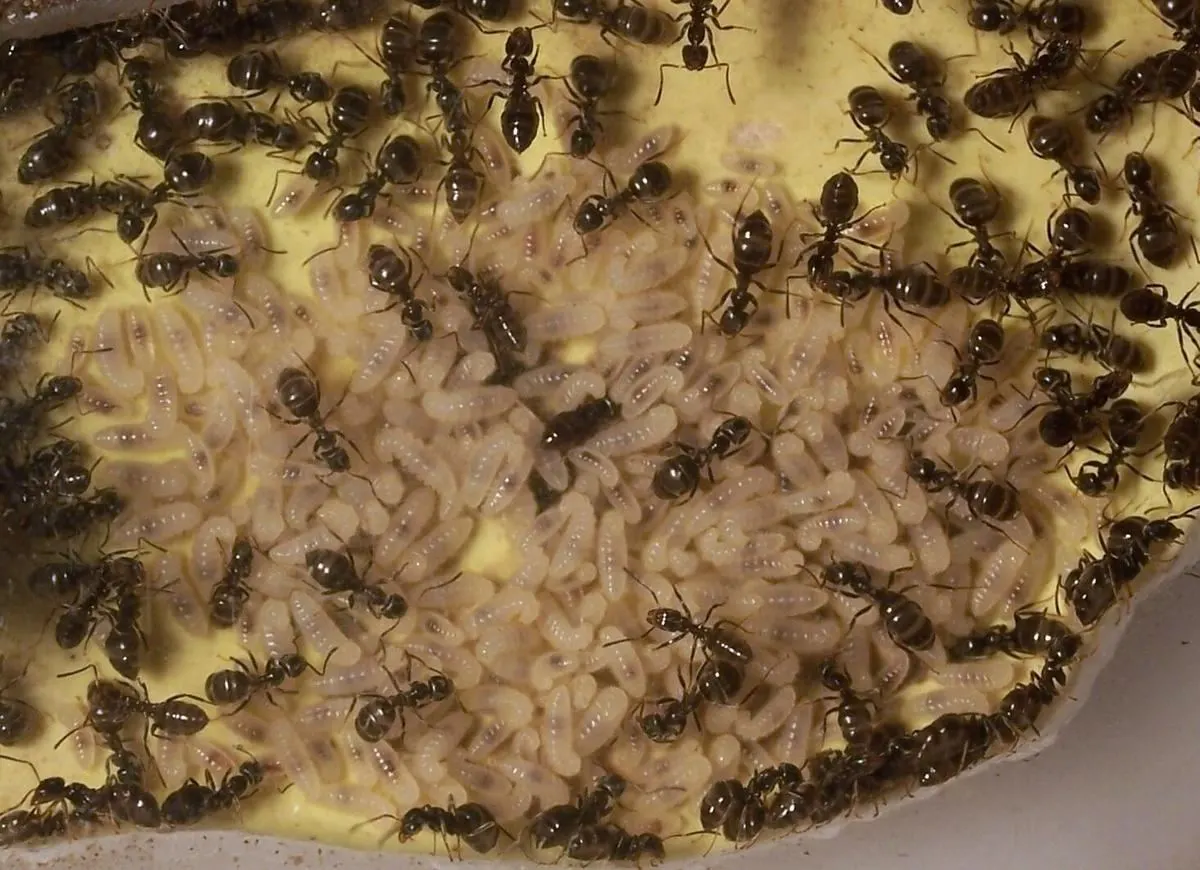
Lasius niger
Ctenocephalides
felis
Ctenocephalides felis
Tineola
bisselliella
Tineola bisselliella
Anthrenus
verbasci
Anthrenus verbasci
Sciurus
carolinensis
Sciurus carolinensis
Glis
glis
Glis glis
Columba
livia
Columba livia domestica
Free photo identification
Add a coin or a ruler for scale if you can. We'll reply with what it is, whether it's a problem, and what to do next — whether or not that involves us.
Questions
Species guides draw on the NHS, HSE, BPCA and the Natural History Museum — sources are listed on each page.
Note its size in millimetres, colour, number of legs, whether it has wings, where you found it and what time of day. Those five details, plus a clear photo, are enough to identify almost any UK household insect. Compare them against the species pages here, or send the photo and we'll tell you what it is.
Usually, yes. A sharp photo with something for scale — a coin or a ruler — is enough for most insects, droppings and damage. Use the form on this page; there's no charge for identification.
The most common are black garden ants near food, carpet beetle adults near windows in spring, and occasionally young cockroaches in kitchens. Carpet beetles are round and patterned, ants have a narrow waist, and cockroaches are flat and fast. A photo settles it.
Rats and mice can spread leptospirosis and salmonella through urine and droppings, cockroaches carry food-poisoning bacteria, and wasp stings can cause serious allergic reactions. Bed bugs and fleas cause itchy bites but are not known to spread disease in the UK.
Look at the droppings and the size. Mouse droppings are 3–8 mm and pointed; rat droppings are 10–14 mm and blunt. An adult mouse is under 10 cm without its tail, with big ears; a rat is 20 cm or more with small ears and a thick tail.
Free inspection · from £90
Book a free inspection and we'll confirm the species, find how it's getting in and give you a written price.