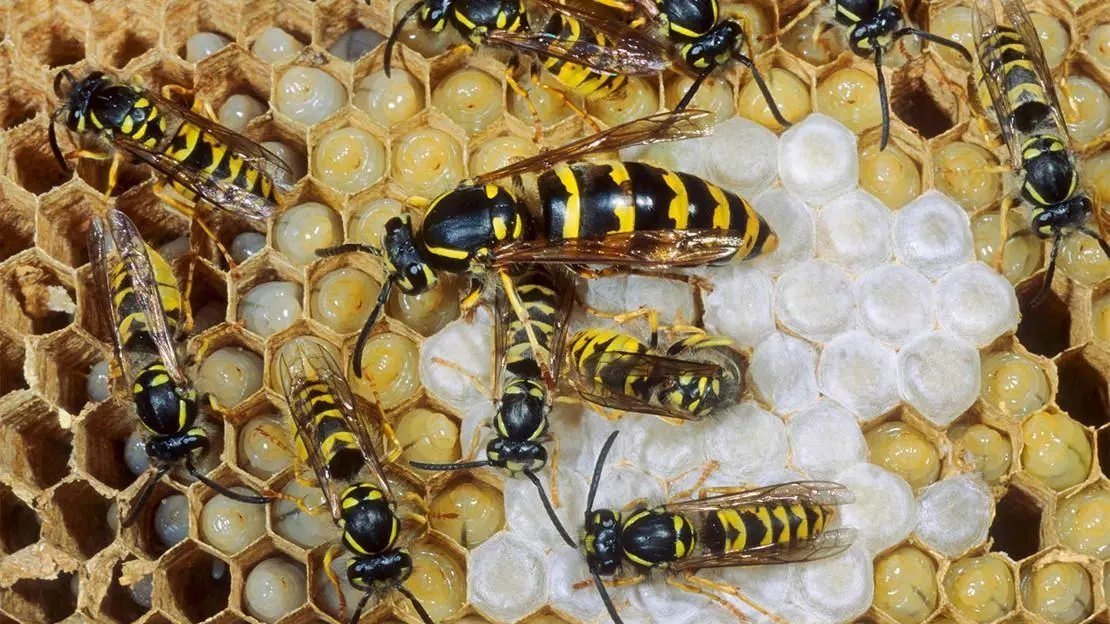
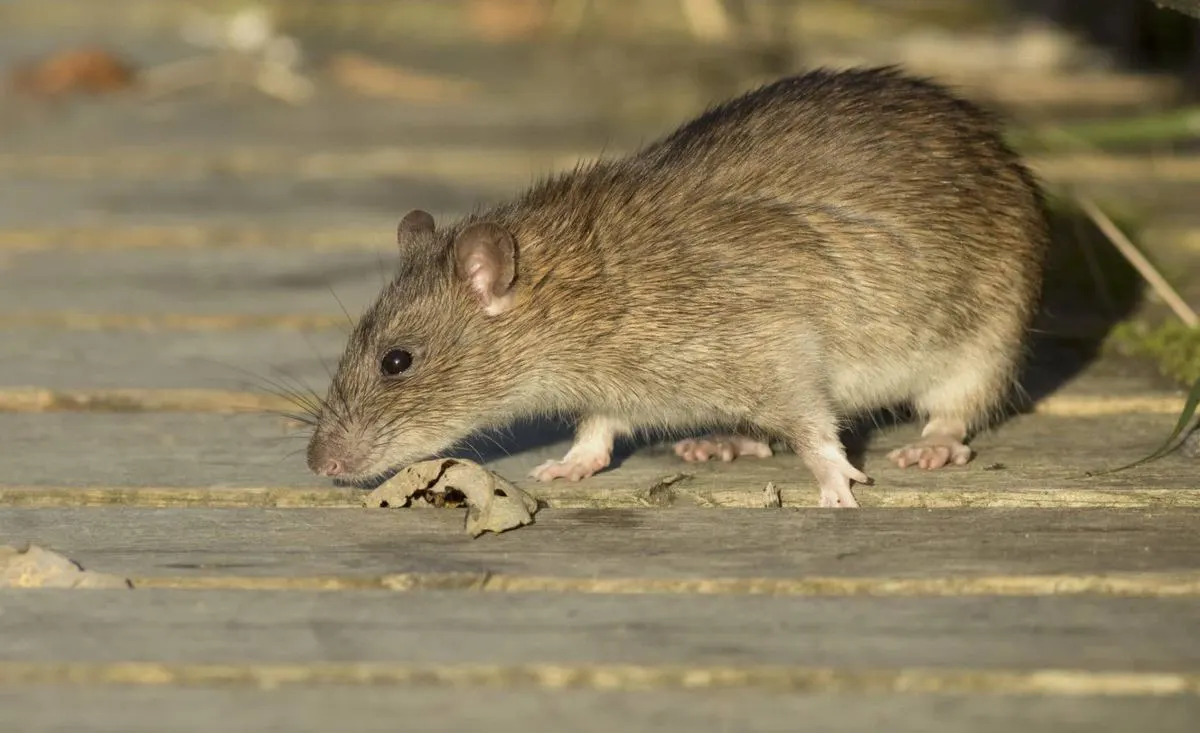
Grey squirrels in Edwardian lofts off The Avenues and mice creeping in from Rothamsted's fields keep Harpenden pest control busy from harvest to spring.
Harpenden's large detached houses sit beside 330 hectares of Rothamsted farmland, so mice, rats and grey squirrels rarely have far to travel. Sean handles pest control in Harpenden, from wasp nests tucked into Avenue St Nicholas soffits to loft squirrels near the Common, and every visit opens with a free inspection before any treatment, priced from £90. Work is covered for at least three months, same-day slots go out when the diary allows, and emergencies get a 24/7 number.
Information last reviewed by Sean Kennell.
Key facts
Treatments
From £90, quoted in writing
Inspection
Free, before any work
Guarantee
At least three months on every treatment
Response
Same-day visits, subject to availability
Emergencies
24/7 on 07361 511775
Your technician
Sean Kennell
Postcodes
AL5
Payment
Cash, Bank transfer, Card
Standards
NPTA · RSPH Level 2 minimum
Your local technician
SK
Sean Kennell
Covers Harpenden and the surrounding villages
NPTA · RSPH Level 2 Award in Pest Management
Who turns up
Meet Sean, who covers Harpenden
Most of his calls here come from the Batford estate and the houses backing onto the Rothamsted fields, where mice move indoors after harvest and rats work along the Lea banks. On The Avenues and around the Common it is mainly squirrels in lofts and wasps in deep Edwardian soffits. Near Batford he lifts the drain covers before laying any bait, and in the older houses he climbs into the loft first to look for daylight around the eaves. Works to NPTA standards; RSPH Level 2 Award in Pest Management.
How booking works
1
Tell us what you've seen
Call 01727 400025 and describe the problem — Sean covers this area.
2
Free inspection and written quote
The property is inspected, the pest identified and the price agreed in writing before any work begins.
3
Treatment and written record
The treatment is carried out and you're left a record of what was found, what was done and what to fix.
Two valleys, a big common, an experimental farm and a lot of large old houses with roof voids nobody visits. That mix decides what we get called out for here, and when.
01
Farmland on the doorstep
Rothamsted's 330 hectares of experimental fields run right up to Harpenden, and the 56 acres of Rothamsted Park carry green space into the centre. When the crops come off in late summer, mice and rats lose food and cover in the same week. They head for the nearest warm building. Homes on the estate side, with sheds and garages at the bottom of long gardens, are the first stop.
02
Big houses, bigger roof voids
The conservation area is full of late Victorian and Edwardian houses in mature gardens along Luton Road, Hollybush Lane and The Avenues, with 1930s detached homes on West Common. Red brick, slate or tile, deep soffits and lofts that go unchecked for months. Tall trees give squirrels a bridge onto the roof. Wasps reuse the same soffit gaps every summer. Glis glis can turn up too, because we sit on the Chilterns edge.
03
Dry valley, wet valley
The centre and the Common sit in a dry valley. Batford lies down in the River Lea valley, beside the springs, ponds and reedfen of Batford Springs. Water, banks and old drains under the post-war estate suit rats. Up on the Common, 238 acres of gorse and oak, plus the drainage ponds by Southdown Road, give rodents cover a few metres from back fences.
On the record
The local facts behind this page
Every line links to where it was published, so you can check it.
1
The district council, run from St Albans and covering AL5, has shut its pest control service; it still uses statutory powers against rats and mice on land it owns and can serve notices on owners or occupiers.
Rothamsted Research owns 330 hectares beside the town, mixing test fields with Rothamsted Manor, homes and offices, and its Broadbalk winter wheat trial began in 1843.
The council's conservation area statement for the town, amended in April 2008, describes the Cravells Road cottages as brick terraces first built for railway workers.
Batford Springs covers 3.5 hectares of chalk springs, ponds, grassland and a small wood with the River Lea running through it, and is owned and managed by Harpenden Town Council.
A development plan published in 1951 earmarked Batford, The Grove, West Common and Wood End for new housing, while 25 prefabs at Southdown stayed occupied until 1964.
Cockroaches are a kitchen problem on the High Street rather than a household one. The Italian restaurants and cafés there run hot kitchens with dishwashers, ovens and daily deliveries, which is how German cockroaches arrive and where they hide. We trace the harbourage, treat it, and leave a written record for your food safety file.
The larger Edwardian houses on The Avenues tend to have rooms that barely get used: guest bedrooms, dressing rooms, wool coats boxed up in the loft. Clothes moth larvae thrive on undisturbed wool, silk and fur, and on wool carpet under heavy furniture. We find the source, treat the room and tell you what to wash, freeze or bin.
What it costs
From £90
Quoted in writing after a free inspection, so the figure is agreed before any work begins. Paid by cash, bank transfer, card.
What moves the price
The pest, and how established the activity is
Size and layout of the property — loft, cellar, outbuildings
How many visits the treatment needs to finish the job
Access — height for wasp nests, confined spaces, out-of-hours
St Albans City and District Council
Does the council deal with pests in Harpenden?
No council service
No. The district council in St Albans, which covers Harpenden, stopped offering pest control and now refers residents to private firms. It can still treat rats and mice on its own land and serve notices on owners. Harpenden Town Council manages Rothamsted Park and Batford Springs, and its remit stops at those green spaces. We carry no benefit condition, guarantee our work, fit proofing and give you your technician's direct number.
Free inspection first, a written quote, no eligibility rules, and a guarantee of at least three months.
Homes · lettings · commercial
Homes, landlords and businesses
01
Homes
Most of our domestic work in Harpenden is in big detached houses with lofts, cellars, garages and long gardens, so a visit takes in the whole building. We go up into the roof void, walk the boundary and check outbuildings. You get a written list of every entry point, from a slipped soffit board on a West Common gable to a gap under the garden-room door.
02
Landlords & lettings
The railway-worker terraces on Cravells Road share walls, so mice in one house are soon a problem next door, and the Batford estate has its own mix of owners and tenants. We inspect, treat and report in writing: what was found, how it got in and which repairs sit with the landlord. That paperwork settles most arguments before they start.
03
Food & commercial
High Street restaurants, the three supermarkets, Broadway Hall and the parades at Batford, Southdown and Luton Road all handle food, and bins behind a restaurant draw rats from the gardens that back onto them. We set up monitoring, treat what we find and keep the paperwork an environmental health officer will ask to see. Stallholders at the Bowers Parade farmers' market are welcome too.
How a visit works
01
Inspect
Species, scale, the way in and what's feeding it.
02
Quote
A written price before work starts — from £90.
03
Treat
The least-toxic method that will finish the job.
04
Proof
Entry points sealed; guaranteed for at least three months.
Through the year
When pests peak in Harpenden
Spring (Mar–May)
Queen wasps, squirrels
Queen wasps wake in April and scout soffits on the bigger houses for a nest site. Squirrels already in a loft are raising young, so scratching in the ceiling needs sorting before the drey gets busier.
Summer (Jun–Aug)
Wasps, glis glis, ants
Wasp nests in gables and roof voids reach full size by August. Glis glis wake from hibernation in early summer and start thumping about in lofts near woodland, and ants march across West Common patios.
Autumn (Sep–Nov)
Mice, rats, glis glis
Harvest on the Rothamsted fields pushes mice and rats towards houses, garages and sheds. Glis glis are at their loudest in early autumn, feeding hard in lofts before they go to ground for winter.
Winter (Dec–Feb)
Rats, mice, squirrels
Cold weather drives rats up from the Lea banks and Batford drains into warm kitchens and cavities. Mice that got in during autumn breed indoors, and squirrels stay tucked in lofts off the Common.
Does the council offer free pest control in Harpenden?
No, not at private homes. The district council wound up its own treatment service and tells residents to hire a private firm, though it still tackles rodents on council-owned ground. The town council's job is parks and open spaces, not treatments, so a house or business here needs a private firm.
Roughly how much will I pay to get rid of pests in Harpenden?
Every job here is priced from £90, with the first survey free of charge. The bill climbs with the type of pest, the size of the house, the number of return visits and any proofing work. A big Edwardian house with a full loft and outbuildings takes longer than a Cravells Road terrace, and the written quote says so before we start. Whatever the job, the cover afterwards runs for at least three months.
There are mice in the house I rent here. Who pays, me or the landlord?
In most lets the landlord pays, since it is the building that lets them in, though your tenancy agreement has the final word. Rats or mice coming through a broken air brick, drain or gap in the structure usually fall to the landlord, who is responsible for repairs. Fleas or bed bugs that arrived with the occupants are more often the tenant's bill. Our written report records the entry point, which helps both sides agree.
Why do I get mice every autumn near the Rothamsted fields?
Because the harvest takes away their food and cover all at once. Mice living in the field margins move into the nearest dry building, and houses on the farmland side of town are closest. Blocking the gaps they use, before September, cuts the problem down far more than bait alone.
Which month do wasp nests get out of hand around The Avenues?
August, usually. Queens pick a soffit or a gap under the roof tiles in April, the nest grows quietly through June, and by late summer the colony is large and short-tempered as its food runs low. A nest spotted while it is still small is quicker and calmer to treat than one found at the end of the school holidays, so keep an eye on gables and bargeboards from May.
Is the noise in my loft squirrels or glis glis?
Timing tells you most. Grey squirrels move about in daylight, loudest early in the morning, while glis glis are active at night, mostly from early summer into autumn. Glis glis cannot legally be released once caught, so leave traps alone and book an inspection; droppings and chewed insulation show us which one you have.
Can you come today for a wasp nest?
Often, yes. Same-day visits are offered subject to availability, which gets tight in August, and anything that truly can't wait goes to the round-the-clock emergency number. Keep people and pets away from the entrance and do not block the hole; a trapped colony can chew through a ceiling.
Is a rat in the kitchen at night an emergency?
Yes, when it is loose in a room where food is kept or children sleep, ring the 24/7 line rather than waiting for morning. Wasps pouring out of a hole next to the porch, where the school run passes twice a day, count as well. Scratching overhead or a few droppings by the garage freezer are daytime jobs and can sit until a normal appointment. Until we get there, shut the kitchen door, put food in sealed tins and keep pets out.
What should I check before I hire a pest control firm?
Start with training: whoever visits should hold at least the RSPH Level 2 certificate, and the company should follow the code of the NPTA or the BPCA. Ask for the price on paper before anyone lifts a floorboard, with the guarantee spelled out in the same letter. Check you will deal with a named person, that there is a street address rather than just a mobile number, and that customers have left comments this season. Anyone pricing a job over the phone, unseen, is guessing.
Do you work with restaurants and shops on the High Street?
Yes. We treat and monitor kitchens, stockrooms and bin stores for the High Street's restaurants and food shops, plus the smaller shops out in Batford and Southdown. Each visit leaves a written record of findings, treatment and proofing, which is what an environmental health officer asks to see.
Scratching above the bedroom, droppings in the garage or wasps streaming out of a soffit? Ring and your technician will book a free inspection, then give you a straight quote, anywhere in Harpenden from the Common down to Batford.