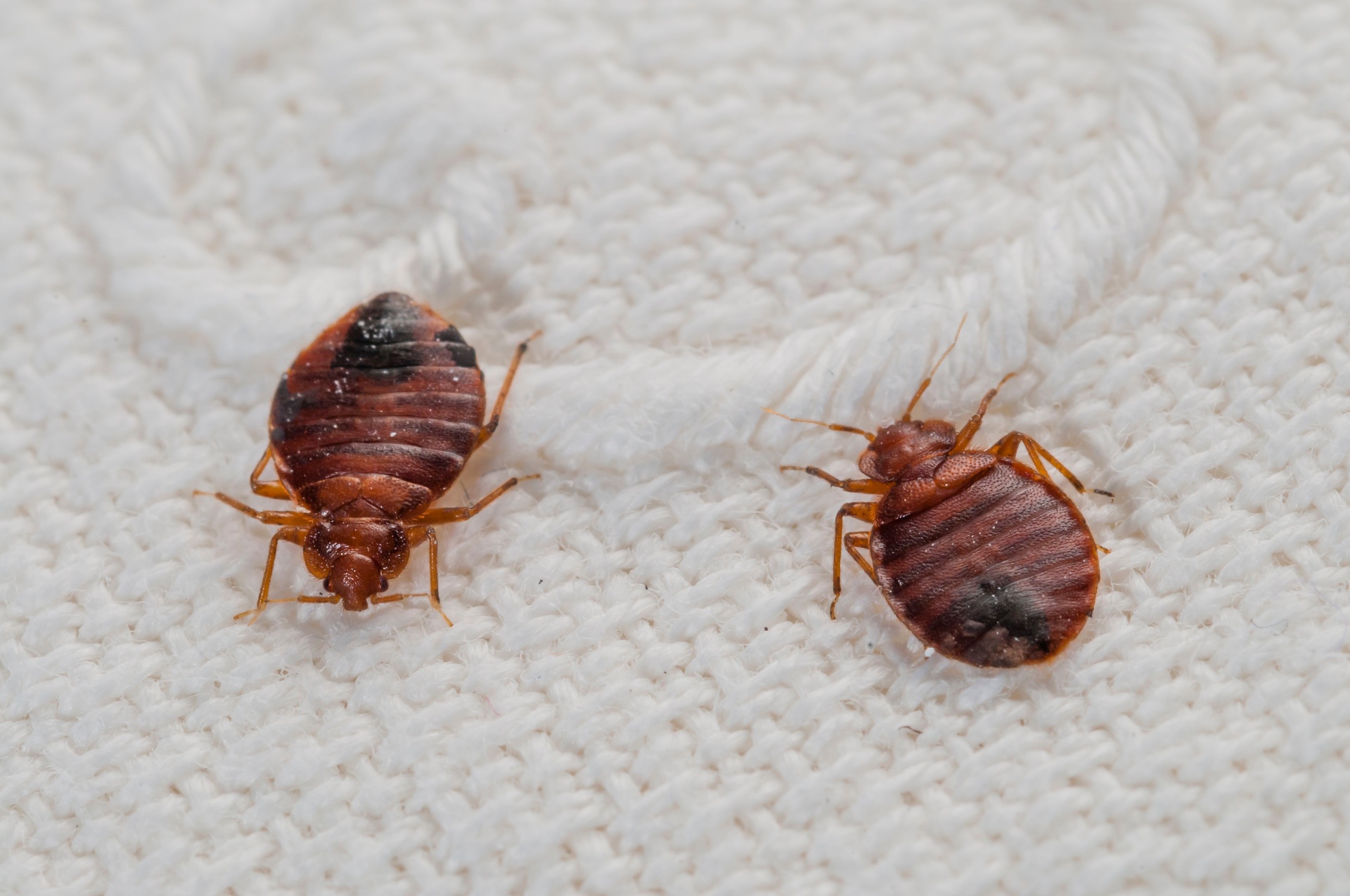
Spring is one of the most beautiful times of year in the UK — the days get longer, gardens burst back into life, and there's a welcome sense of renewal in the air. But while you're enjoying the warmer weather and planning your first barbecue of the year, a whole host of pests are waking up too. After months of dormancy or reduced activity during winter, insects, rodents, and wildlife become increasingly active in spring as they search for food, water, and shelter to breed.
The good news is that a little preparation goes a long way. By carrying out a few simple checks around your home before pest season hits full swing, you can significantly reduce the chances of unwelcome visitors setting up camp. Think of this as your spring cleaning — but for pest prevention. Here's our comprehensive ten-point checklist to keep your home pest-free this spring.
1. Inspect Your Property's Exterior
Start by walking around the outside of your home and looking for any gaps, cracks, or holes in the brickwork, rendering, and mortar joints. Over winter, frost and damp can cause existing cracks to widen, creating perfect entry points for mice, rats, and insects. Pay close attention to areas where pipes and cables enter the building — even a gap of just 6mm is enough for a mouse to squeeze through.
Check your fascia boards, soffits, and the edges of your roofline for signs of damage or rot. These areas are common entry points for wasps looking to build nests, as well as squirrels and birds seeking nesting sites in your loft. Any gaps should be sealed with appropriate materials — wire mesh, expanding foam, or mortar depending on the size and location.
Don't forget to inspect door seals and window frames too. Worn or damaged draught excluders and weatherstripping can create gaps large enough for insects to enter. Replacing these is quick, inexpensive, and makes a real difference.
2. Clear Gutters and Drains
Blocked gutters are a surprisingly common cause of pest problems. Leaves, moss, and debris that accumulated over autumn and winter can create standing water — which is exactly what mosquitoes need to breed. Damp, decaying organic matter in gutters also attracts flies, ants, and even birds looking for nesting material.
Clear out all your gutters, downpipes, and external drains thoroughly. Check that water flows freely and doesn't pool anywhere around your property's foundations. Standing water near your home not only attracts pests but can also cause damp issues in your walls, which in turn attracts moisture-loving insects like silverfish and woodlice.
While you're at it, check any water butts or outdoor containers that may have collected rainwater over winter. Empty and clean them before the warmer months arrive — stagnant water is a breeding ground for mosquitoes and midges.
3. Trim Vegetation Away From Your Home
Overgrown vegetation touching your home's exterior is like rolling out a welcome mat for pests. Climbing plants, overgrown hedges, and tree branches that touch or overhang your walls and roof provide direct pathways for insects, spiders, and rodents to reach your home.
Trim back any branches that touch your roof, gutters, or walls — ideally maintaining a gap of at least 30cm between vegetation and the building. Cut back climbing plants like ivy, which can harbour insects and create damp conditions on your walls. Hedges close to external doors and windows should also be kept well-maintained.
Pay attention to your lawn edges and borders too. Tall grass, leaf litter, and dense ground cover near your foundations provide ideal harbourage for slugs, snails, ants, and other crawling insects. Keeping things tidy around the perimeter of your home removes hiding spots and makes your property less attractive to pests.
4. Secure Your Bins and Compost
As the weather warms up, your household waste becomes increasingly attractive to pests. Rats, foxes, and flies are all drawn to unsecured bins, and an overflowing or poorly sealed bin can quickly become a magnet for unwanted visitors.
Make sure all your wheelie bins and recycling containers have tightly fitting lids with no gaps. Clean them regularly — particularly in warmer weather — to remove food residues and odours that attract pests. If possible, store your bins on a hard, level surface away from exterior doors and walls.
Compost bins need attention too. A well-managed compost heap shouldn't attract pests, but an unturned or improperly balanced one can become a haven for rats and flies. Turn your compost regularly, avoid adding cooked food or meat scraps, and consider using a closed compost tumbler rather than an open heap if rodents have been a problem in the past.
5. Check Your Loft and Roof Space
Spring is prime time for pests to move into loft spaces. Squirrels that sheltered in your roof over winter may still be present and could be raising young. Birds — particularly starlings and pigeons — often nest in eaves and roof spaces if they can find access. And queen wasps that hibernated over winter will be emerging now, actively searching for sites to build new nests.
Head up into your loft with a torch and inspect carefully. Look for signs of animal activity: droppings, gnaw marks on timbers or wiring, nesting material, or staining from urine. Check that any loft vents or gaps around the roofline are properly screened with mesh to prevent entry.
If you find evidence of squirrels, birds, or other wildlife in your loft, it's important to deal with it promptly. Squirrels can cause serious damage by gnawing through electrical cables and insulation, while bird droppings pose health risks and can attract secondary infestations of bird mites and carpet beetles.
6. Address Damp and Ventilation Issues
Many common household pests thrive in damp conditions. Silverfish, woodlice, booklice, and plaster beetles are all attracted to areas with excess moisture, and they're often an indicator of underlying damp or condensation problems in your home.
Check bathrooms, kitchens, utility rooms, and cellars for signs of condensation, mould, or water ingress. Ensure extractor fans are working properly and that rooms are adequately ventilated. If you have persistent damp patches on walls or around windows, address the root cause — whether that's improving ventilation, fixing a leak, or treating rising damp.
Good ventilation in your loft is important too. A poorly ventilated loft can trap moisture, creating conditions that attract insects and encourage mould growth. Make sure loft vents are clear and not blocked by insulation or stored items.
7. Review Your Kitchen Hygiene
Spring is when ant colonies start sending out foraging scouts in search of food, and your kitchen is their number-one target. A few crumbs on the worktop or a sticky residue near the bin can be enough to attract a trail of ants into your home — and once they find a food source, they'll keep coming back.
Give your kitchen a thorough deep clean as part of your spring pest prevention routine. Pull out appliances and clean behind and underneath them — areas where food debris often accumulates unnoticed. Check the backs of cupboards for spilled flour, sugar, or cereals, which can attract stored-product insects like biscuit beetles, weevils, and Indian meal moths.
Store dry goods in airtight containers rather than leaving them in opened packets. Wipe down surfaces regularly, deal with spills promptly, and make sure your kitchen bin has a tightly fitting lid. These simple habits make a surprisingly big difference in keeping pests at bay.
8. Inspect Sheds, Garages and Outbuildings
It's easy to focus all your pest prevention efforts on the main house and forget about outbuildings — but sheds, garages, and workshops are prime real estate for pests. Mice often nest in quiet, undisturbed corners among stored boxes and clutter. Spiders thrive in the sheltered, slightly damp conditions that most sheds provide. And wasps frequently build nests in shed rooflines, behind stored items, or in the gaps of timber-framed structures.
Take some time to declutter and organise your outbuildings this spring. Move items off the floor where possible and store things in sealed plastic containers rather than cardboard boxes, which mice can easily gnaw through. Check the structure for gaps, holes, and broken windows that could allow pests entry, and seal them as needed.
If your shed or garage door has gaps underneath, consider fitting a brush strip or rubber seal. This simple addition can prevent mice, rats, and crawling insects from getting in, particularly overnight when rodents are most active.
9. Check Wooden Structures for Woodworm
Spring and early summer is when the common furniture beetle — the main cause of woodworm in UK homes — is most active. Adult beetles emerge from timber between April and July, leaving the characteristic small, round exit holes (about 1-2mm in diameter) and fine, powdery frass (bore dust) that most people associate with woodworm.
Inspect any exposed timber in your home, including roof timbers, floorboards, skirting boards, and wooden furniture — particularly antique or second-hand pieces. Look for fresh exit holes (clean-looking holes with sharp edges) and piles of fine, light-coloured dust beneath them. If the holes look old, dark, and dusty, the infestation may be historic and inactive.
Woodworm tends to prefer damp, untreated timber, so improving ventilation and reducing moisture levels can help prevent infestations. If you find active woodworm, professional treatment is recommended to prevent further structural damage — particularly if the affected timbers are load-bearing or structurally important.
10. Book a Professional Spring Pest Survey
Even the most thorough DIY inspection can miss things. Pests are experts at hiding, and some of the most damaging infestations — like woodworm, mice behind walls, or wasp nests in cavity walls — can go undetected until they've caused significant problems.
A professional spring pest survey gives you peace of mind. A qualified technician will inspect your property inside and out, identify any existing issues or potential vulnerabilities, and recommend targeted preventative measures. It's far more cost-effective to catch a problem early than to deal with a full-blown infestation later in the summer.
At Pest Perfection, we offer comprehensive spring pest surveys for homeowners across St Albans, Hertfordshire, and the surrounding areas. Our experienced technicians know exactly what to look for and can spot the early warning signs that most people miss. Whether you want a one-off inspection or ongoing pest prevention throughout the year, we're here to help.
Spring pest prevention doesn't have to be complicated or time-consuming. By working through this checklist and addressing any issues early, you'll be giving yourself the best possible chance of a pest-free home throughout the warmer months. And if you do spot something that concerns you — whether it's a suspicious hole in the wall, droppings in the loft, or a wasp buzzing around your roofline — don't hesitate to get in touch. Our friendly team is always happy to offer free, no-obligation advice and can arrange a visit at a time that suits you.