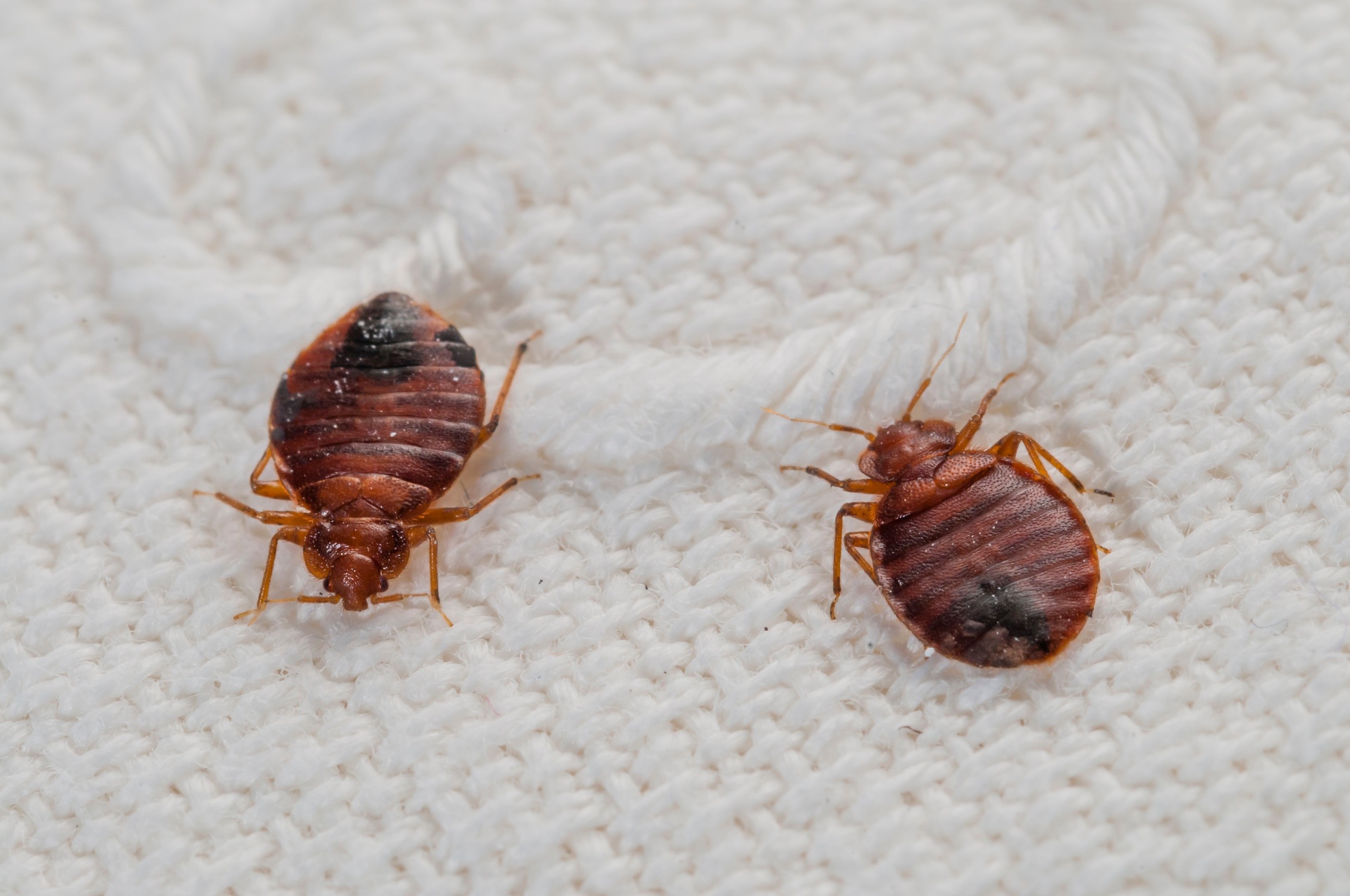
Nobody wants to think about sharing their bed with uninvited guests — especially ones that bite. But bedbugs are one of the most common household pests in the UK, and they're far more widespread than most people realise. These tiny, reddish-brown insects are masters of stealth, hiding in the smallest crevices during the day and emerging at night to feed on human blood. The good news? They do leave telltale signs, and knowing what to look for can help you catch an infestation early before it spirals out of control.
Whether you've just returned from a holiday, bought second-hand furniture, or simply noticed something odd about your mattress, this guide will walk you through the seven most common warning signs of a bedbug infestation — and what to do if you spot them.
1. Bite Marks on Your Skin
One of the earliest signs most people notice is waking up with small, itchy bite marks on their skin. Bedbug bites typically appear as small red welts, often arranged in a line or cluster — sometimes called the 'breakfast, lunch, and dinner' pattern. They tend to show up on areas of skin left exposed during sleep, such as arms, shoulders, neck, and face.
It's worth noting that bedbug bites can look remarkably similar to mosquito bites or flea bites, which is why many people don't immediately suspect bedbugs. The key difference is the pattern: if you're waking up with fresh bites each morning in a roughly linear arrangement, bedbugs should be high on your list of suspects.
Not everyone reacts to bedbug bites in the same way, either. Some people develop noticeable red marks within hours, while others may not react at all — meaning an infestation can go undetected for weeks if bites are your only indicator.
2. Blood Stains on Your Sheets
Small spots of blood on your pillowcase or bed sheets are another common sign. These occur when a bedbug is accidentally crushed after feeding — they become engorged with blood and are surprisingly easy to squash during the night as you move in your sleep.
The stains are usually small, roughly the size of a pinhead, and appear as reddish or rust-coloured smears. If you notice these marks appearing regularly on your bedding, particularly near where you sleep, it's time to investigate further. Check along the seams of your mattress and the edges of your fitted sheet — these are the areas where evidence tends to accumulate first.
3. Dark Faecal Spots
Bedbug droppings are one of the most reliable signs of an infestation. They appear as tiny dark brown or black spots, roughly the size of a marker pen dot, and are often found on mattress seams, bed frames, headboards, and even on walls near the bed.
Unlike blood stains, faecal spots are digested blood, so they tend to be darker and may bleed into fabric like ink when dabbed with a damp cloth. If you spot clusters of these dark marks — particularly along mattress piping, in the joints of your bed frame, or behind your headboard — there's a strong chance bedbugs have been active in that area for some time.
The more spots you find, the more established the infestation is likely to be. Early-stage infestations may only produce a handful of marks, while a well-established colony can leave dozens across your sleeping area.
4. A Sweet, Musty Odour
A lesser-known sign of bedbugs is a distinctive, slightly sweet and musty smell. This odour comes from the pheromones that bedbugs release, and it's often described as smelling like coriander, almonds, or damp towels left in a washing machine.
In small infestations, you're unlikely to notice any smell at all. But as the colony grows, the scent becomes more pronounced — particularly in enclosed spaces like bedrooms with poor ventilation. If you walk into your bedroom and notice an unusual, unexplained musty smell that wasn't there before, it could be worth checking your mattress and bed frame for other signs.
Professional pest controllers are trained to recognise this scent, and it's often one of the first things they check for during an inspection. In severe cases, the smell can be quite strong and unmistakable.
5. Shed Skins and Eggshells
Bedbugs go through five nymph stages before reaching adulthood, and they shed their exoskeleton at each stage. These cast skins are translucent, light brown, and roughly the shape of a bedbug — though hollow and papery thin.
You'll typically find shed skins in the same places bedbugs like to hide: along mattress seams, inside the joints of bed frames, behind headboards, in the crevices of bedside furniture, and even behind picture frames or electrical outlet covers near the bed.
Bedbug eggs are another giveaway. They're tiny — about 1mm long — pearly white, and often laid in clusters in concealed locations. Spotting eggs or eggshells is a strong indicator that the infestation is actively breeding, which means professional treatment should be arranged sooner rather than later.
6. Live Bedbugs in Mattress Seams
This might sound obvious, but many people are surprised to learn what bedbugs actually look like. Adult bedbugs are about the size of an apple seed — roughly 5-7mm long — flat, oval-shaped, and reddish-brown in colour. After feeding, they become swollen and darker.
The most common place to spot live bedbugs is along the seams and piping of your mattress, particularly at the head end of the bed. They also favour the joints and crevices of wooden or upholstered bed frames, the folds of headboards, and the gaps behind bedside tables.
If you suspect an infestation, try inspecting your mattress at night using a torch. Bedbugs are nocturnal and tend to retreat to their hiding spots during daylight hours, so a late-night inspection — particularly around 2-4am — gives you the best chance of spotting live activity.
Nymphs (juvenile bedbugs) are smaller and paler, making them harder to spot with the naked eye. A magnifying glass can be helpful for identifying younger stages of the pest.
7. Rust-Coloured Smears on Furniture
Beyond the bed itself, bedbugs can spread to nearby furniture, particularly as an infestation grows. Look for rust-coloured smears and dark faecal spots on bedside tables, wardrobes, upholstered chairs, and even curtains close to the sleeping area.
In more severe infestations, bedbugs have been known to spread to sofas in living rooms, behind skirting boards, inside electrical sockets, and even behind loose wallpaper. The further they spread from the bed, the more established the infestation — and the more challenging it becomes to treat without professional help.
If you're finding evidence in multiple rooms, it's a clear sign that the problem has been developing for some time and requires urgent attention.
What to Do If You Spot These Signs
If you've identified one or more of these warning signs, the most important thing is to act quickly. Bedbug infestations don't resolve themselves — they only get worse with time. Here's what we recommend:
Don't panic. Bedbugs are unpleasant, but they don't transmit diseases and the problem is entirely treatable with professional help.
Avoid DIY remedies. Shop-bought sprays and foggers rarely eliminate an infestation and can actually make the problem worse by scattering the bugs to new hiding spots around your home.
Wash and dry your bedding on a hot cycle (60°C or above). This will kill any bedbugs and eggs on your sheets, pillowcases, and duvet covers, though it won't address the source of the infestation.
Don't throw away your mattress. In most cases, a professional treatment can save your mattress. Discarding it can actually spread the problem as you carry it through your home.
At Pest Perfection, we provide specialist bedbug treatments across St Albans, Hertfordshire, and the surrounding areas. Our technicians use a combination of targeted insecticide treatments and thorough inspections to eliminate infestations at every life stage — from eggs to adults. We understand how distressing a bedbug problem can be, and we're here to help you reclaim your home quickly and discreetly.
If you've spotted any of the signs described in this article, don't wait for the problem to get worse. Get in touch with our friendly team today for a free, no-obligation consultation. The sooner you act, the simpler and more affordable the treatment will be — and the sooner you'll be sleeping soundly again.