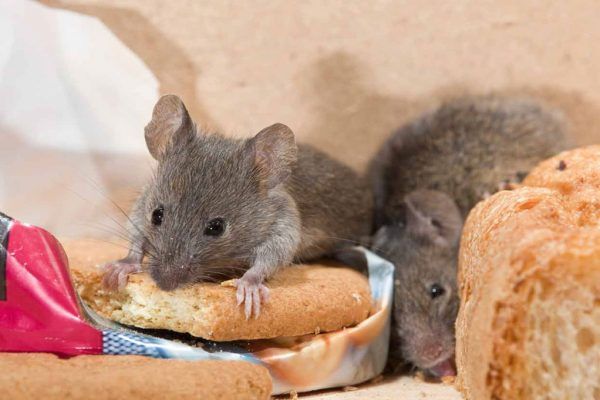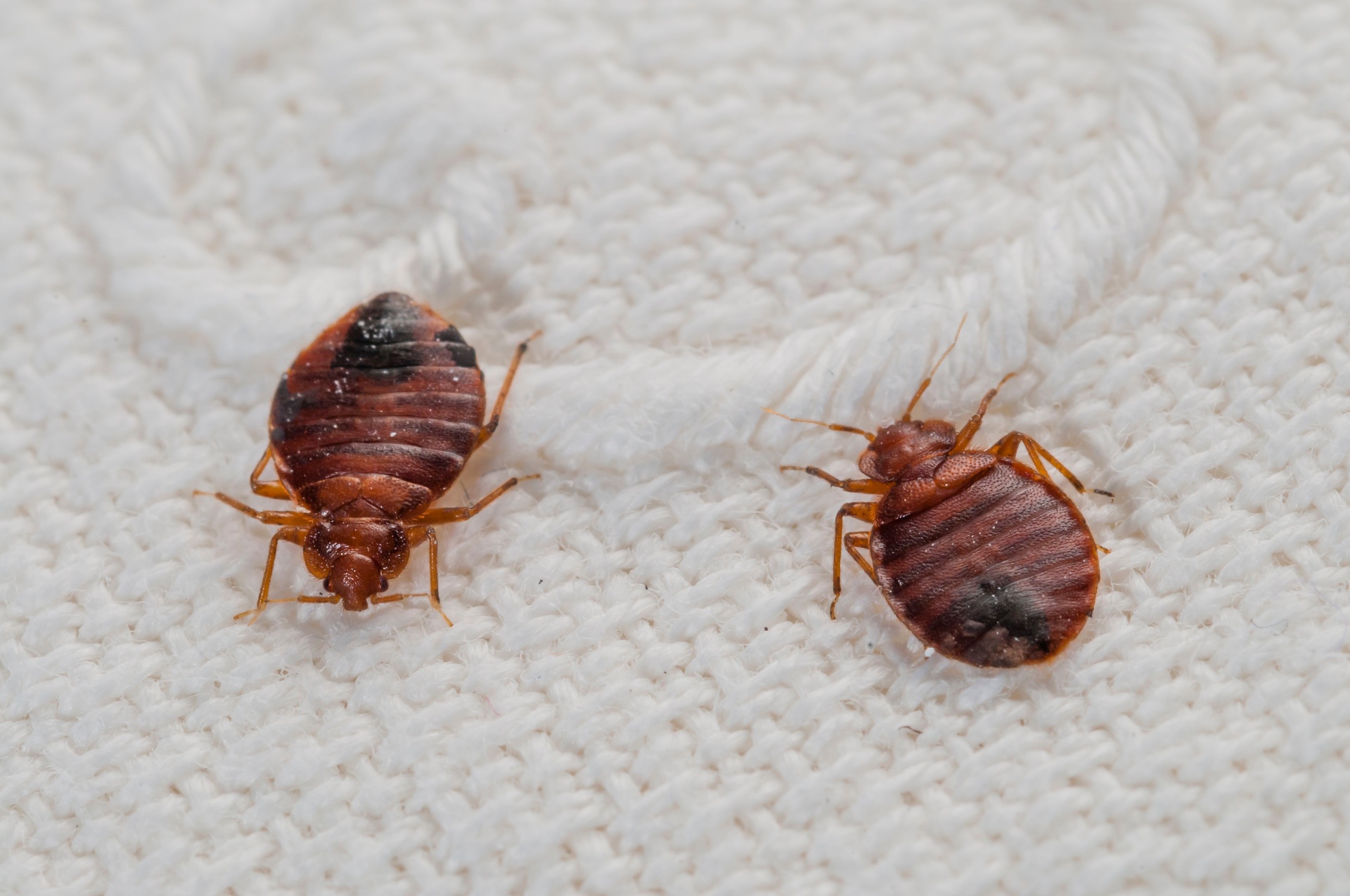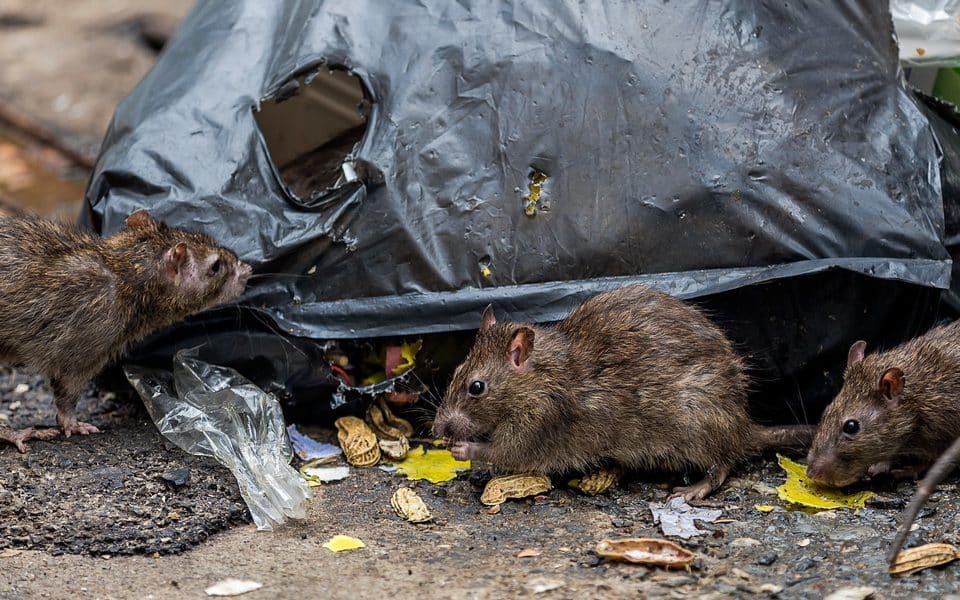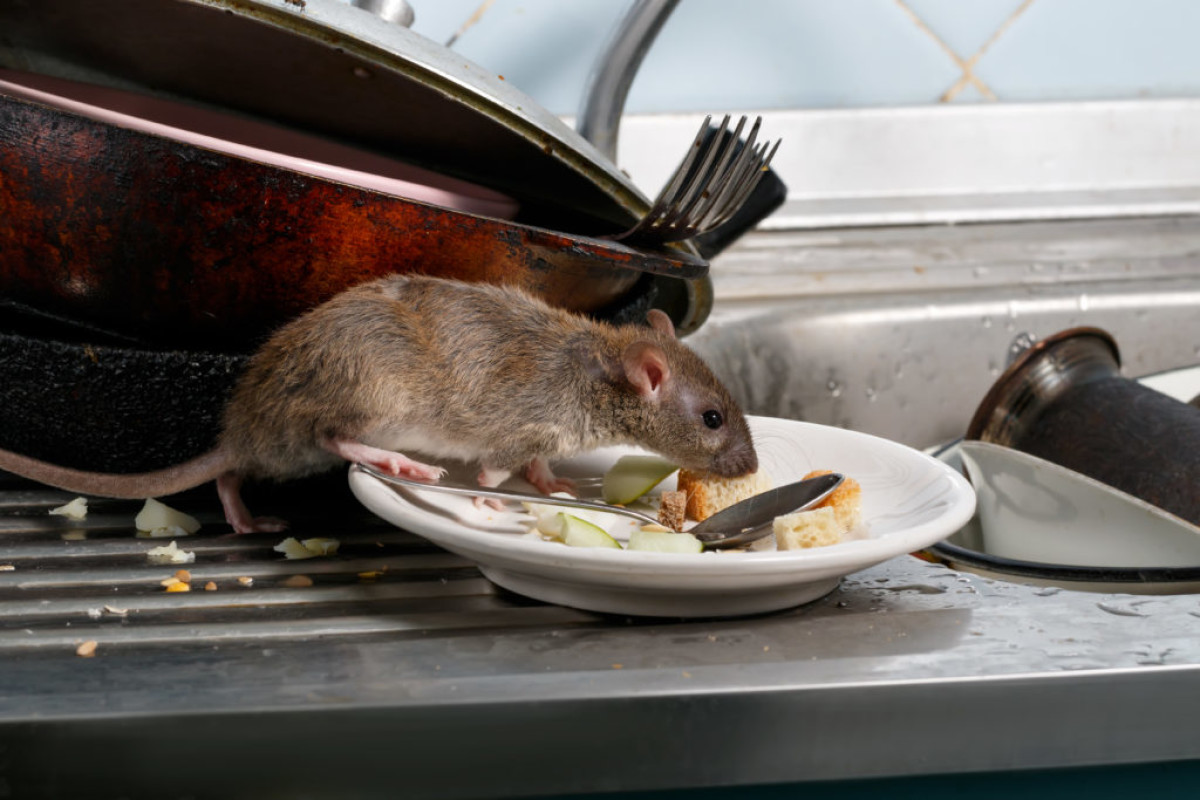
Running a restaurant is demanding enough without having to worry about pests — but the reality is that food businesses are among the most vulnerable premises in the UK when it comes to infestations. The combination of constant food preparation, warm kitchens, regular waste, and high footfall creates the perfect environment for rats, mice, cockroaches, flies, and stored-product insects to thrive. Left unchecked, even a minor pest issue can escalate into a full-blown crisis that threatens your reputation, your hygiene rating, and your livelihood.
In this guide, we'll walk through the essential pest control practices that every restaurant owner should have in place — from kitchen hygiene and waste management to staff training and choosing the right professional partner.
1. Understanding Why Restaurants Are High-Risk
Restaurants combine everything pests need to survive: food, water, warmth, and shelter. Commercial kitchens operate at high temperatures, produce large volumes of organic waste, and often run through the night — giving nocturnal pests like rats and cockroaches ample opportunity to forage undisturbed. Multiple deliveries, open back doors, and busy front-of-house areas all create entry points that are difficult to monitor constantly.
The consequences of a pest problem in a restaurant are severe. A failed Environmental Health Officer (EHO) inspection can result in enforcement action, a reduced food hygiene rating, or even temporary closure. A single customer spotting a mouse or cockroach can generate negative reviews that take years to recover from. Prevention is always cheaper, easier, and less stressful than dealing with an active infestation.
2. Kitchen Hygiene Protocols
The foundation of restaurant pest control is impeccable kitchen hygiene. Every surface, appliance, and storage area should be cleaned thoroughly and regularly — not just at the end of service, but throughout the day. Grease traps, extraction hoods, and the gaps behind ovens and fridges are particularly important, as accumulated grease and food debris attract cockroaches, flies, and rodents.
Implement a documented cleaning schedule that covers daily, weekly, and monthly tasks. Daily tasks should include wiping down all prep surfaces, sweeping and mopping floors, emptying bins, and cleaning drains. Weekly tasks should cover deep cleaning of cooking equipment, clearing out fridges, and checking storage areas. Monthly deep cleans should address hard-to-reach areas like behind heavy equipment, inside ventilation ducts, and underneath shelving units.
Consistency is key. A kitchen that's spotless during an inspection but messy during a Friday night rush is still at risk. Building good habits into your team's daily routine is the most effective form of pest prevention.
3. HACCP Compliance and Pest Management
For any food business in the UK, compliance with Hazard Analysis and Critical Control Points (HACCP) principles is a legal requirement. Your HACCP plan should identify pests as a potential biological hazard and set out the controls you have in place to manage them. This includes your pest control contract, monitoring records, cleaning schedules, and staff training.
EHOs will expect to see documented evidence that you're actively managing pest risks — not just reacting to problems when they arise. This means keeping up-to-date records of pest control visits, inspection reports, and any corrective actions taken. A well-maintained pest management file demonstrates due diligence and can make the difference between a five-star hygiene rating and a disappointing score.
Your pest control provider should supply you with clear, professional reports after every visit. These should detail what was inspected, what was found, what actions were taken, and what recommendations were made. If your current provider isn't giving you this level of documentation, it may be time to find one who does.
4. Common Restaurant Pests and How to Spot Them
The most common pests in UK restaurants are rodents (rats and mice), cockroaches, flies, ants, and stored-product insects. Each leaves distinctive signs that your team should be trained to recognise.
Rodents leave droppings, gnaw marks on packaging and fixtures, grease smears along walls and skirting boards, and a distinctive musty odour. Cockroaches are nocturnal, so you may not see them during the day — look instead for their droppings (small dark specks resembling ground pepper), shed skins, egg cases, and a musty smell in warm, humid areas like behind dishwashers and under sinks.
Flies are an obvious nuisance but can also indicate underlying hygiene issues. Drain flies breed in the organic matter that builds up inside drains and grease traps. Fruit flies cluster around overripe produce and fermented liquids. Blowflies indicate decaying organic matter — possibly a dead rodent or rotting food in an inaccessible area.
Stored-product insects like biscuit beetles, Indian meal moths, and flour beetles infest dry goods including flour, rice, cereals, spices, and dried fruit. Regular stock rotation and inspection of deliveries are essential to catch these pests early.
5. Waste Management Best Practices
Poor waste management is one of the most common causes of pest problems in restaurants. Overflowing bins, food waste left in bags on the ground, and infrequent collections all create powerful attractants for rats, foxes, flies, and gulls.
Use bins with tightly fitting lids and ensure they're cleaned regularly to remove residues and odours. Food waste should be bagged securely before being placed in external bins. Schedule waste collections frequently enough to prevent bins from overflowing — during busy periods, you may need more frequent collections than your standard contract provides.
Keep your bin storage area clean and tidy. Spilled food, leaked liquids, and scattered waste around your bins are a magnet for pests. If possible, position bins on a hard, well-drained surface away from your kitchen entrance. Wash down the area regularly with a disinfectant solution.
6. Drainage and Plumbing Maintenance
Drains are a critical but often overlooked element of restaurant pest control. Blocked or slow-running drains create standing water and organic build-up that attract drain flies, cockroaches, and rodents. Rats in particular can enter buildings through damaged or unsealed drainage systems — a single broken drain cover or cracked pipe is all they need.
Have your drains professionally cleaned and inspected at least annually. Between professional services, use enzyme-based drain cleaners regularly to break down grease and organic matter. Ensure all floor drains have properly fitted grates, and repair any damaged or missing drain covers immediately.
Check for leaking taps, pipes, and condensation around refrigeration units. Standing water anywhere in your premises provides a drinking source for pests and increases humidity — which cockroaches and silverfish thrive in.
7. Supplier Checks and Goods-In Procedures
Pests don't always walk through the door — they can also arrive in your deliveries. Stored-product insects commonly enter restaurants inside contaminated dry goods, while cockroaches and their egg cases can hitchhike in cardboard packaging and crates.
Implement a goods-in inspection procedure. Check all deliveries for signs of pest damage, contamination, or unusual packaging conditions before accepting them. Look for holes in bags, webbing in flour or cereals, live or dead insects, and rodent droppings. Reject any deliveries that show signs of pest activity and report them to your supplier immediately.
Reduce the use of cardboard in your kitchen and storage areas wherever possible. Cardboard provides harbourage for cockroaches and absorbs moisture, creating damp conditions. Transfer goods into sealed, food-grade plastic containers as soon as they arrive.
8. Staff Training and Awareness
Your staff are your first line of defence against pests. No matter how good your pest control contract is, your technician only visits periodically — between those visits, it's your team who will spot the early warning signs and maintain the standards that keep pests out.
Every member of staff — from head chef to waiting staff — should receive basic pest awareness training as part of their induction. They should know what common pest signs look like, understand why reporting is important, and follow the hygiene protocols that prevent infestations. Regular refresher training keeps pest awareness front of mind, particularly during busy periods when standards can slip.
Create a simple pest sighting log that staff can use to record anything unusual — droppings, damage, unusual smells, or live pests. This log should be checked regularly by management and shared with your pest control provider at their next visit. Early reporting is the single most effective way to prevent a minor issue from becoming a major problem.
9. Emergency Response Planning
Despite your best efforts, pest emergencies can still happen — and how you respond in the first few hours can determine whether the situation is contained quickly or spirals out of control. Every restaurant should have a clear emergency response plan for pest incidents.
Your plan should include the contact details of your pest control provider's emergency line, steps for isolating affected areas and stock, procedures for documenting the incident (photographs, notes, timeline), and a communication plan for informing relevant parties including your EHO if necessary.
If you discover a pest during service — a rodent in the dining area, for example — remain calm, discreetly remove customers from the immediate area, and contact your pest control provider immediately. Do not attempt to handle rodents yourself, and avoid using shop-bought sprays or traps that could contaminate food preparation areas.
10. Choosing the Right Pest Control Partner
The relationship between a restaurant and its pest control provider is one of the most important partnerships in the business. You need a provider who understands the specific pressures of the food industry, responds quickly when you need them, and delivers the documentation that keeps you compliant.
Look for a provider with BPCA membership, technicians holding recognised qualifications (RSPH Level 2 or BPCA Certificate), and proven experience working with food businesses. Ask for references from other restaurants or hospitality clients, and make sure they offer emergency call-out cover as part of their contract.
At Pest Perfection, we work with restaurants, cafés, pubs, and takeaways across St Albans, Hertfordshire, and the wider UK. Our tailored commercial contracts include regular scheduled visits, comprehensive digital reporting, emergency response, and staff awareness training — everything you need to maintain the highest hygiene standards and protect your reputation.
If you're a restaurant owner looking for reliable, professional pest management, get in touch with our team today. We offer free, no-obligation site surveys and will design a programme that fits your business, your budget, and your peace of mind.